Rounds
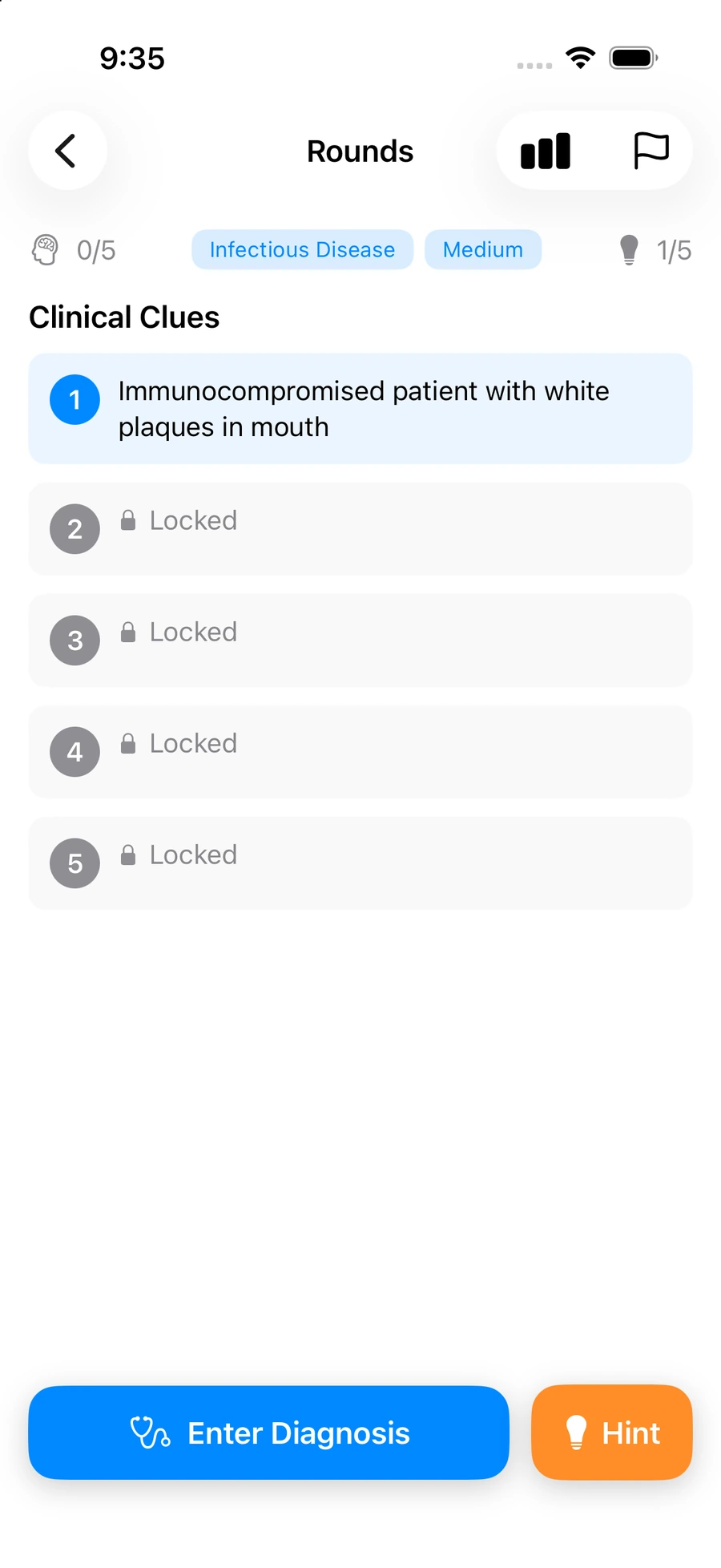
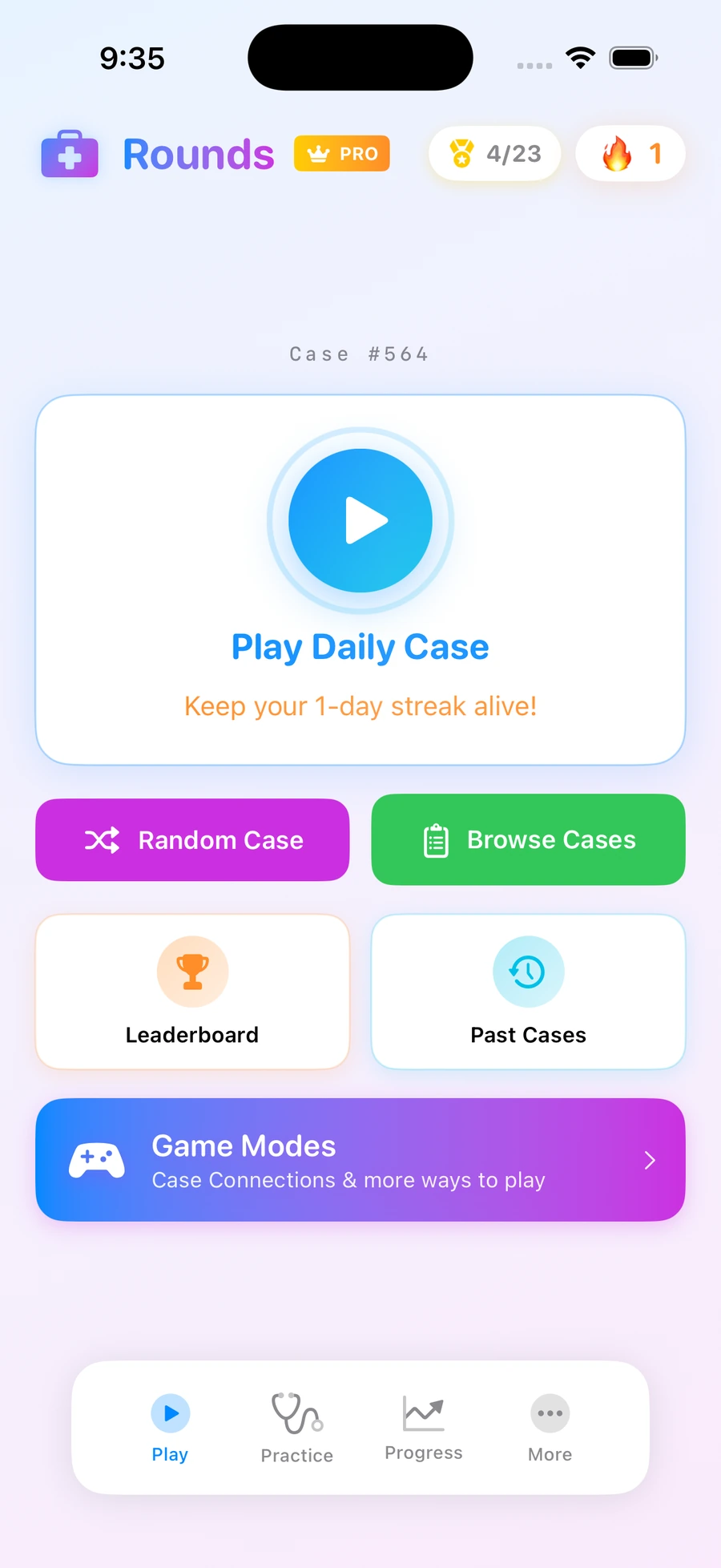
Clinical reasoning app used by medical students across 40+ schools. Live on the App Store, self-sustaining on its own revenue.
Live · App Store
About Rounds →
Brask Group is the entity we run everything under. Some of it’s client work. Some of it’s our own experiments. All of it feeds the rest.
Brask Group
We run a small agency, Brask Studio, building sites for healthcare companies and early-stage startups. That work pays for the experiments — apps, tools, a newsletter — we build for ourselves.
Some of those experiments turn into real products with real users. When they do, they usually end up as case studies for Studio, which brings in the next client. It’s one system, not four separate companies pretending to be a portfolio.
We’ve done this before. JANUS, the agency Ali ran before medical school, was the same model. Brask Studio is that model run better, funding things that actually interest us this time. JANUS did everything from email marketing to full-stack web development — SEO, analytics, Shopify — before settling on motion design launch videos. Brask Studio is the hyper-focused version of that: clean, fast marketing sites.
Client work
Clean, fast marketing sites for healthcare companies and early-stage startups. Two weeks, flat rate, no tiers.
Studio has its own site with pricing, past work, and an FAQ that actually answers your questions.
Ventures
Clinical reasoning app used by medical students across 40+ schools. Live on the App Store, self-sustaining on its own revenue.
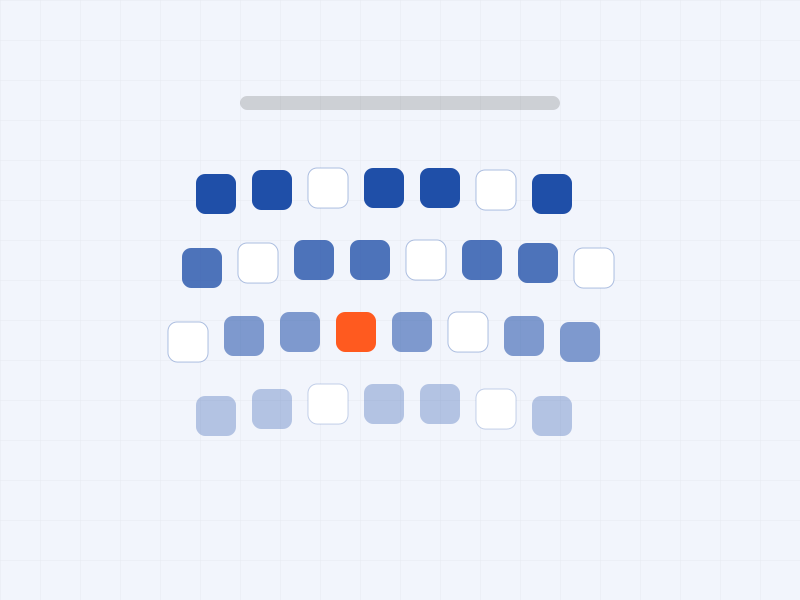
Started as inpatient bed management, turned into event seating for large-scale medical school events. Same underlying logic, different label.

Publishing pipeline for small healthcare DPC clinics that don’t want to pay agency prices for content.

A directory of medical training programs, built because the existing ones are worse than they should be. Med Stack gets over 1,000 visitors per month.
Most of these started as tools we needed and couldn’t find. A few turned into things other people needed too.
Newsletter
An investing newsletter. Two reasons it exists: we want to get better at explaining how we think about markets, and we’re building a public track record we can point to later if we ever want to raise a fund. It’s a long bet, but one we’re interested in.

Brask Group is run by Ali Mirza, MS3 at UConn School of Medicine. Before medical school: Project Manager at Epic, then a marketing agency, JANUS. Undergrad was Classics, Economics, Biochemistry, and Game Theory, which is a strange enough combination that people usually ask about it, so here it is before you have to.
Everything under Brask Group exists because we like building things, and we’d rather they fund each other than sit as separate side projects with no relationship to one another.
LinkedIn →Building something, hiring for a site, or just want to talk about one of these. Email direct.
ali@braskgroup.com